In the Pacific Northwest, we often take our towering evergreens and elegant birches for granted. They survive our grey winters and soaking rains with ease, so it’s easy to assume they can handle anything.
However, as our summers become hotter and drier, our local trees are facing a new level of stress. When a tree is stressed by drought, it sends out a "chemical flare" that wood-boring beetles and opportunistic pests can sense from miles away. By the time you see brown needles or thinning leaves in July, the damage is often already done.
The key to a thriving landscape isn't just reacting to problems—it's seasonal preparation. Here is why treating your trees before the heat hits is the best investment you can make for your property.
1. The Hidden War: Bronze Birch Borer & Pine Beetles
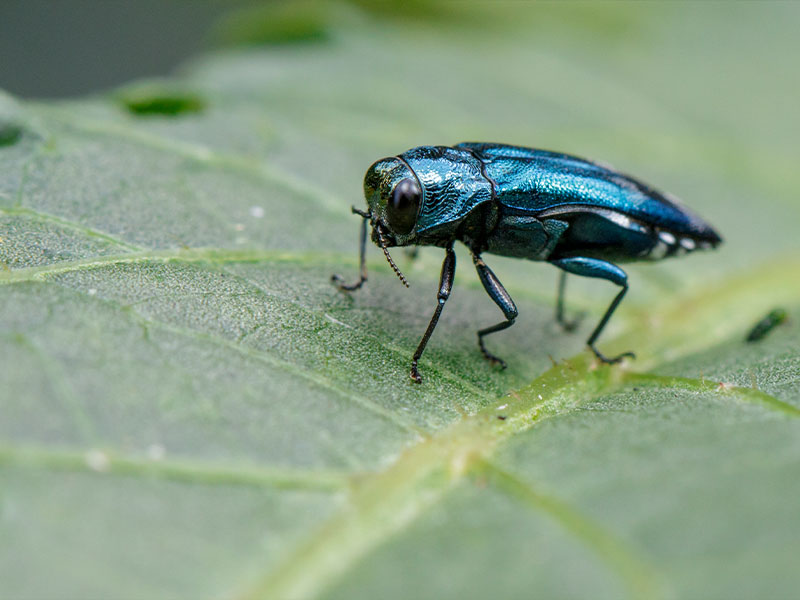
In Black Diamond, Sammamish, and across the Eastside, the Bronze Birch Borer is a significant threat. This beetle targets weakened Birch trees, with larvae tunneling through the vascular tissue and effectively "girdling" the tree from the inside out.
Similarly, Pine Beetles (like the Mountain Pine Beetle or Ips beetle) target our conifers. Because these pests live under the bark, once they’ve moved in, they are incredibly difficult to eradicate.
- The Strategy: Proactive systemic treatments—often applied in early spring or late fall—allow the tree to take up protective minerals and nutrients into its "bloodstream" (the xylem and phloem). When the beetles try to feed, the tree is already armed and ready to defend itself.
2. The Nuisance Pests: Aphids and Scale
If you’ve ever found your car or patio furniture covered in a sticky, clear substance (honeydew), you likely have an Aphid or Scale infestation. While these tiny sap-suckers might not kill a mature tree instantly, they drain its energy and often lead to "sooty mold"—a black fungus that coats leaves and prevents photosynthesis.
- The Strategy: Treating for these pests early in the season prevents the population explosion that typically happens in late spring. It keeps your canopy green, your patio clean, and your tree's energy focused on growth rather than survival.
3. Why Timing is Everything
In the PNW, we have a narrow window for effective treatment.
- Spring: As the sap begins to flow, trees are at their most "absorbent." This is the prime time for systemic injections or soil drenches.
- Fall: Late-season treatments help trees store energy and build up defenses for the following spring, especially against borers that overwinter in the bark.
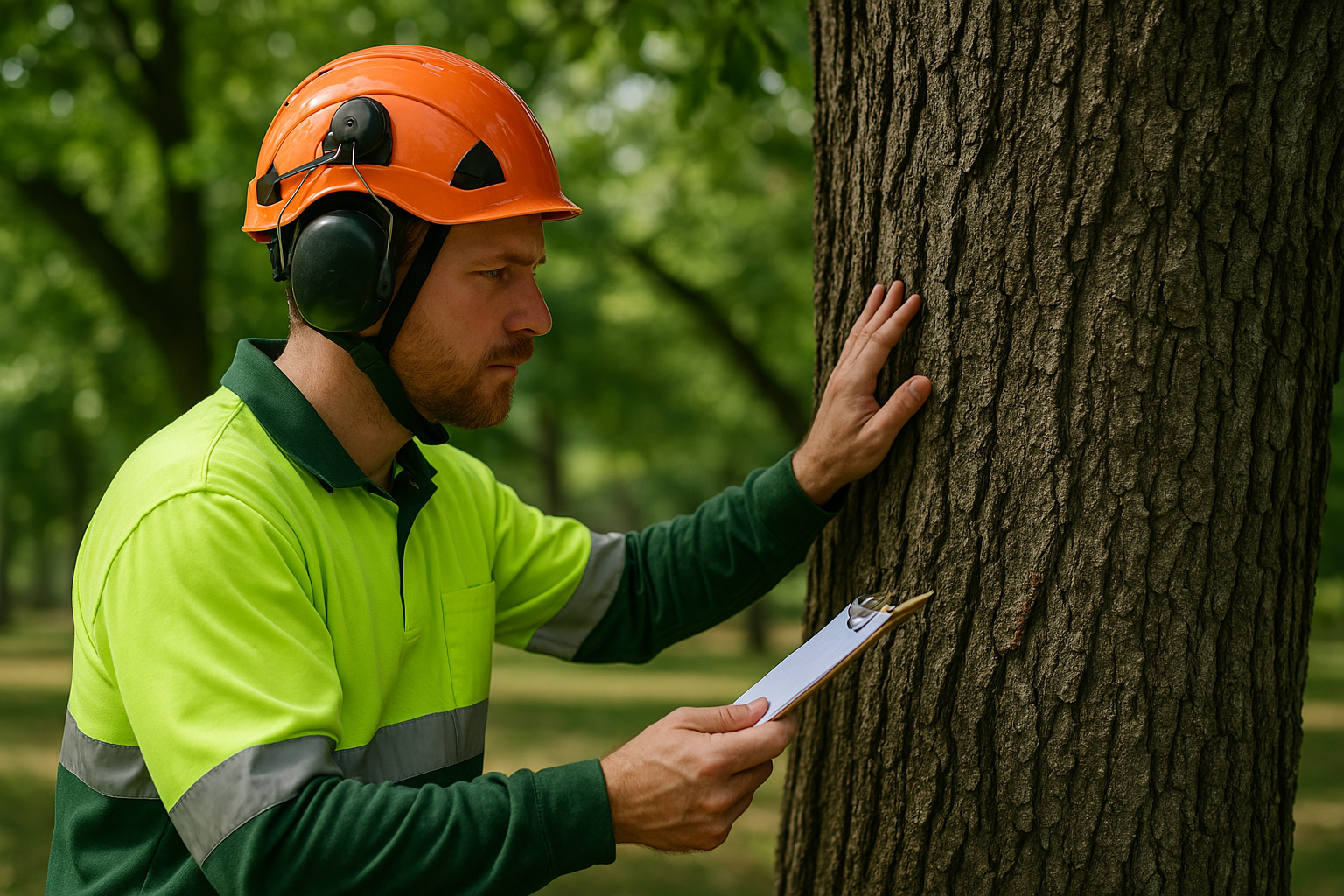
Many homeowners wait until a tree looks "sick" to call an expert. Unfortunately, for species like the Birch or the Pine, a "sick-looking" canopy often means the vascular system is already largely compromised. It's crucial to identify:
- Identify Vulnerable Species: Not every tree needs treatment. Some are at risk and some are hardy.
- Custom Treatment Plans: From systemic injections to soil health improvements, and a tailored approach to the specific pests in your neighborhood (whether it's Birch Borers in the canopy or Root Rot in the soil).
- Drought Mitigation: Strategies to keep your trees hydrated during our increasingly dry Augusts, which is the #1 way to prevent pest attacks in the first place.
Don’t wait for the "D-shaped" exit holes or the sticky honeydew. Preparing your trees today ensures they remain the landmark features of your property for decades to come.
Ready to safeguard your landscape? [Contact Canopy Solutions, LLC. today] for a property evaluation.


Leave a Reply