Tree Risk Assessment
What Is a Tree Risk Assessment?
A tree risk assessment evaluates a tree’s condition, structural concerns, surrounding targets, and likelihood of failure. The goal is to better understand potential risk and identify appropriate management options.
When Should a Tree Be Assessed?
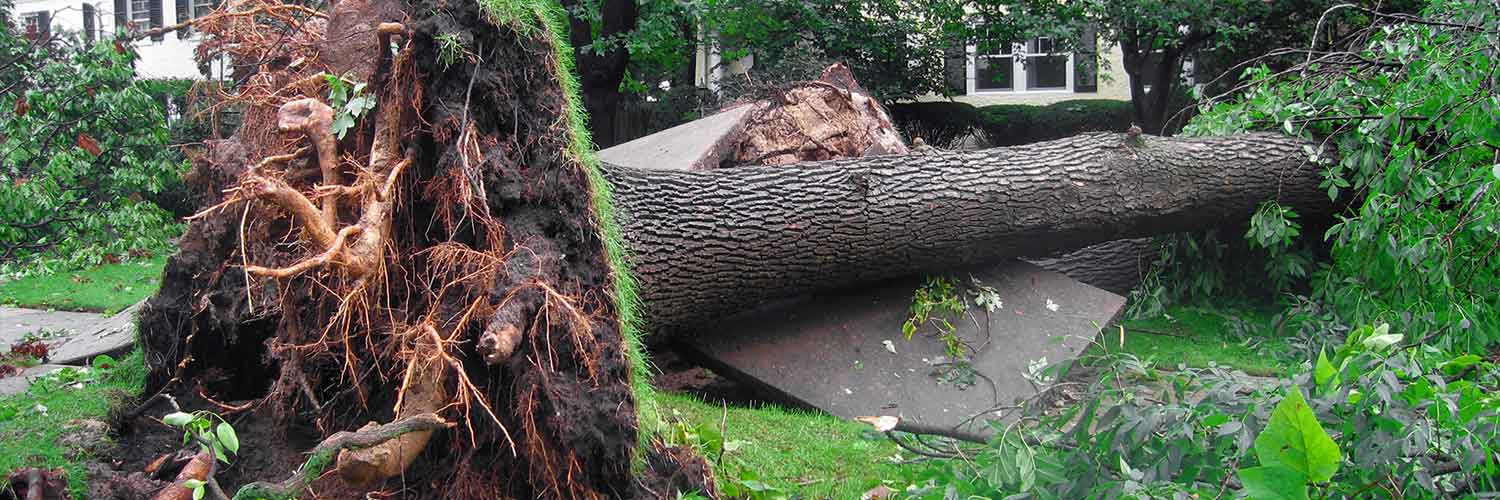
An assessment may be appropriate after storms, when visible defects or decline develop, before construction, or when there are concerns about a tree near people, buildings, vehicles, or other potential targets.
Level 1, Level 2, & Level 3 Tree Risk Assessments
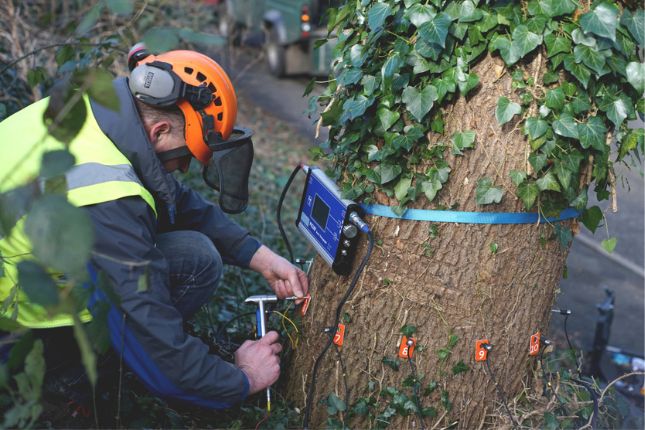
Tree risk assessments can range from a limited visual assessment to a detailed basic or advanced assessment. The appropriate level depends on the tree, site conditions, identified concerns, and the information needed to evaluate potential risk.
Signs That May Warrant Further Assessment
Cracks, cavities, decay, dead or hanging branches, root disturbance, unusual lean, canopy decline, or recent changes around a tree may warrant further evaluation by a qualified arborist.
What Happens After a Tree Risk Assessment?
Assessment findings may lead to recommendations such as pruning, monitoring, additional testing, changing nearby targets, or tree removal. Recommendations are based on the observed conditions and the management objectives for the property.
When an Aerial Assessment May Be Recommended
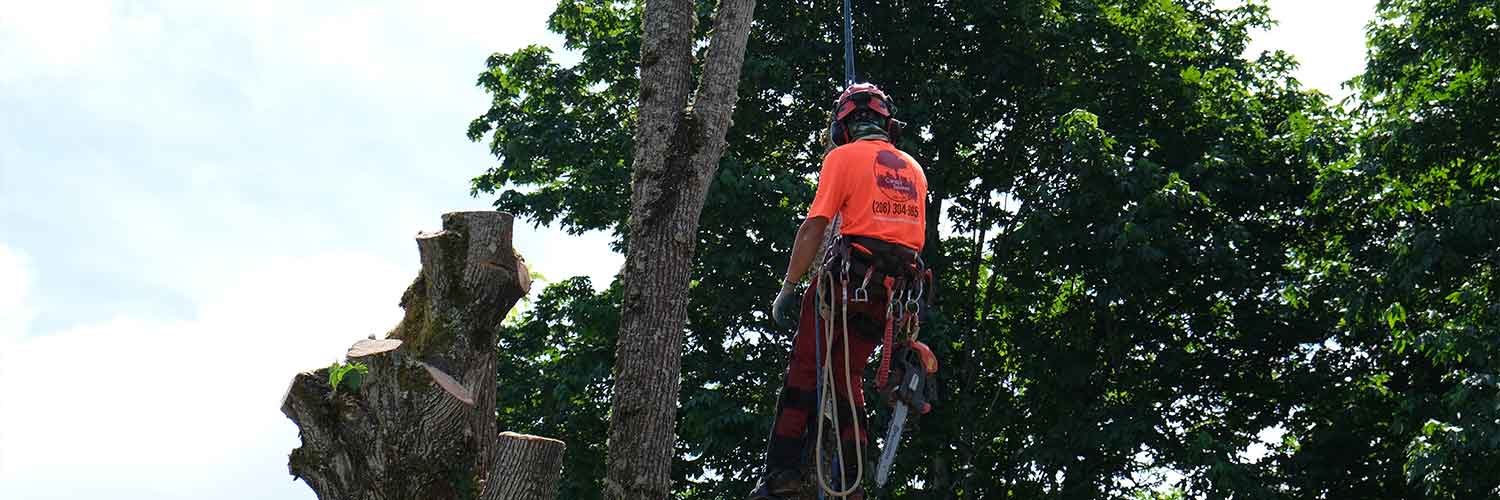
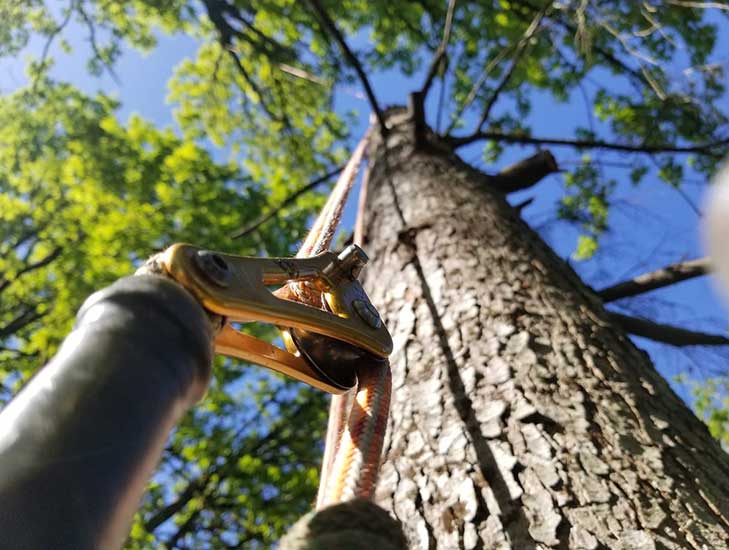
Some structural concerns cannot be adequately evaluated from the ground. An aerial assessment may be recommended when closer inspection of the upper canopy, branch unions, cavities, defects, or previous support systems is needed.
Tree Risk Assessment FAQ
Have questions about tree safety, assessment levels, reports, permits, or whether your tree should be evaluated? Canopy Solutions can help determine the appropriate assessment based on your tree and property.