Tree Removal in North Bend
Restrictions That May Prevent You From Removing A Tree
- A “significant tree” is defined as any evergreen tree with trunk diameter at least 15 inches DSH (diameter at standard height, measured 4.5 ft above grade), and any deciduous tree — with the exception of red alder, holly, poplar, and cottonwood — with trunk diameter at least 12 inches DSH. North Bend+1
- Trees classified as red alder, holly, poplar or cottonwood are not considered “significant trees,” regardless of size; such trees may be removed without the “significant‑tree” permit requirements under some conditions. North Bend+1
When a Permit (or Formal Approval) Is Required
According to the city code:
- Removal of any “significant tree” requires a permit — specifically a Clearing & Grading Permit under North Bend Municipal Code Chapter 19.10 (and related “Significant Tree Removal” provisions). North Bend+2Code Publishing+2
- If the tree is located in a critical area — wetland, shoreline/stream buffer, slope, or other environmentally sensitive area — or if removal is part of a development or land‑use proposal (new construction, subdivision, grading, etc.), the permit submittal must include additional documentation (tree location & dripline map, species & diameter, health assessment, replacement/mitigation plan). North Bend+2North Bend+2
- For development (single‑family, duplex, short plats/subdivisions), city code requires that a certain percentage of significant trees be retained in the “developable site area.” North Bend+1
- If an existing development lot (not part of a larger development plan) is subject to a significant‑tree removal, the permit requirement still applies – i.e. removal of significant trees on existing lots is regulated. North Bend+1
When Tree Removal or Maintenance May Be Exempt or Simpler
- Trees that do not meet the “significant tree” threshold (e.g. smaller trees, or certain exempt species) may be removed without triggering the “significant‑tree permit” requirement (subject to other parcel/zoning/critical‑area rules).
- Minor vegetation maintenance or removal outside of critical areas may avoid full permitting — but you should still verify setbacks, zoning overlays, and whether the property is part of a previously recorded mitigation/retention plan.
- For properties in shoreline or other sensitive zones, even non‑development removals may trigger stricter review; exemptions are more limited in those contexts. North Bend+1
What Canopy Solutions, LLC Offers for North Bend Projects
If you engage Canopy Solutions, LLC for your North Bend property, we can:
- Review your parcel context (zoning, critical-area overlays, past development or mitigation conditions) to determine whether removal of a given tree or trees will require a permit.
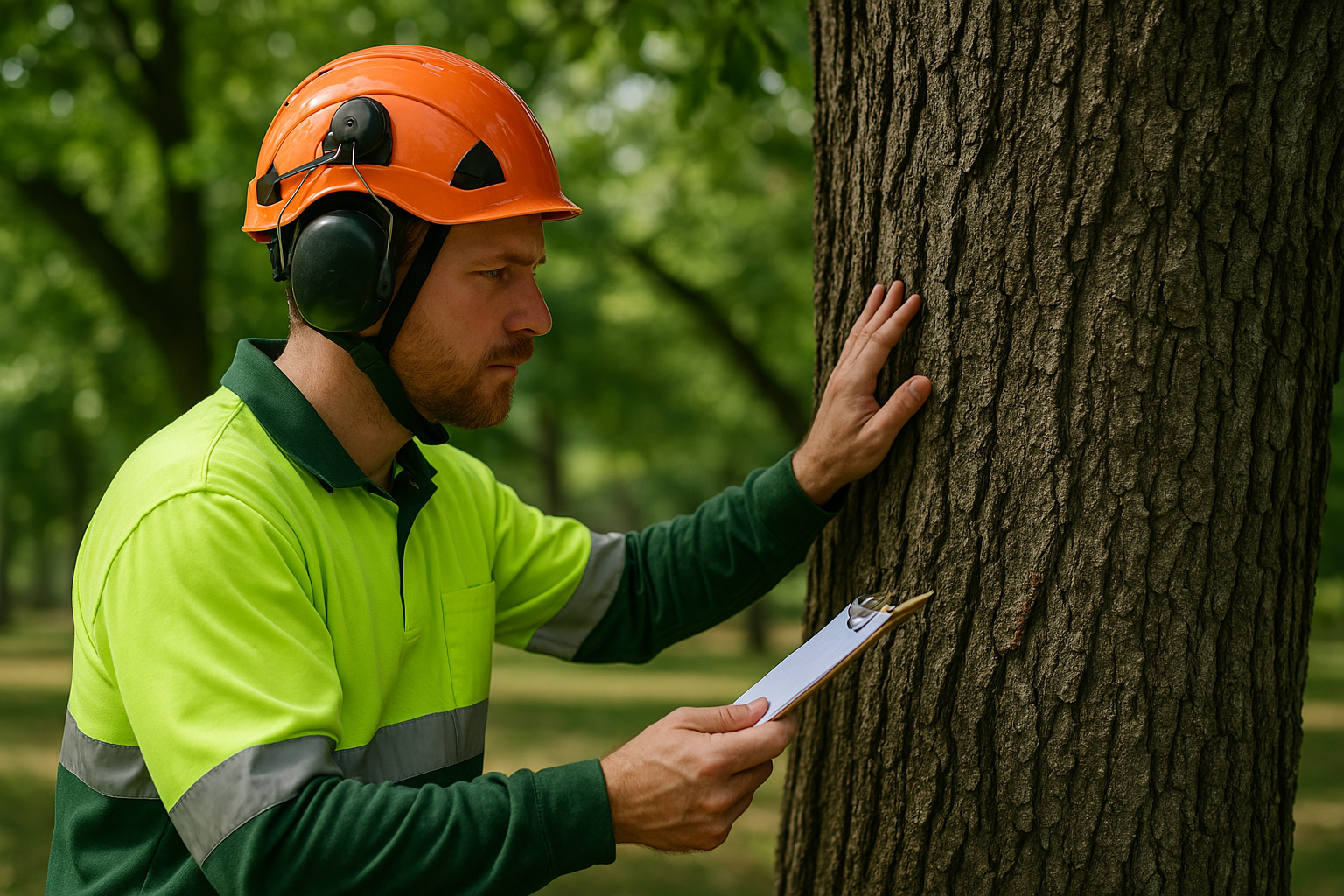
- Prepare and submit all required permit paperwork under NBMC 19.10 — including site/tree inventories, diameter measurements, drip‑line mapping, health assessments by qualified arborists, and re‑planting / mitigation plans when required.
- Coordinate with certified arborists to assess tree health, hazard status, or suitability for retention — especially when development, grading, or sensitive‑area buffers are involved.
- If removal is approved, help plan and implement replacement plantings or mitigation per city requirements, and ensure compliance with tree‑density / retention standards for the developed site area.
Important Considerations for North Bend
- Always check whether a tree qualifies as “significant” under city code before planning removal. Mistakenly removing a regulated tree without a permit may result in fines or mandatory mitigation under NBMC 19.10 enforcement provisions. Code Publishing+1
- Trees in shoreline jurisdiction, wetlands, stream buffers, steep slopes, or other critical‑area zones are subject to stricter standards — removal may be denied or only approved with mitigation and re‑planting obligations. North Bend+2North Bend+2
- Even on single‑family residential lots, if the property is part of a larger development or has undergone previous mitigation/retention conditions, the permit/retention rules often still apply.